Thinking about a cottage or second home in Michigan’s Thumb? Huron County stands out because it offers something many getaway buyers want but do not always find in one place: long shoreline, small-town lake communities, and quieter inland options that can fit different budgets and lifestyles. If you are comparing where to buy and what type of property makes the most sense, this guide will help you understand the local options, seasonal patterns, and practical details that matter before you make a move. Let’s dive in.
Why Huron County Appeals to Second-Home Buyers
Huron County sits at the tip of Michigan’s Thumb and is bordered on three sides by Saginaw Bay and Lake Huron. According to the county, it has 93 miles of shoreline, which helps explain why so many buyers look here for cottages, weekend places, and seasonal retreats.
What makes the area especially appealing is the contrast between its shoreline communities and inland rural areas. Along the water, you get the recreational feel many second-home buyers want. Farther inland, you can find a more practical and less seasonal setting, often with a quieter country feel.
For many Southeast Michigan buyers, the location is also workable for regular use. Travel estimates place Detroit to Caseville at about 2 hours and 28 minutes, and Detroit to Port Austin at about 2 hours and 40 minutes, which makes weekend ownership realistic while still feeling like a true getaway.
Popular Huron County Cottage Areas
Caseville for classic beach-town appeal
Caseville is one of the best-known names in the county for second-home buyers. Michigan tourism information highlights the area for beaches, boating, and fishing, which gives it the classic summer cottage appeal many buyers picture when they start their search.
The local lifestyle here tends to center on warm-weather recreation. If you want easy access to beach days, marina activity, and a more seasonal lake-community atmosphere, Caseville is often one of the first places to consider.
Port Austin for shoreline views and paddling
Port Austin is another major draw for getaway buyers. State and tourism resources describe it as a destination known for beaches, paddling, shoreline scenery, sunrises and sunsets, and nearby dark-sky viewing at Port Crescent State Park.
For buyers who want a cottage that feels connected to outdoor recreation, Port Austin offers a strong mix of water access and natural scenery. It can be especially appealing if you picture using your second home for kayaking, quiet evenings, and shoulder-season visits in addition to summer weekends.
Inland villages for year-round use
Not every second-home buyer wants a purely seasonal property near the shoreline. Huron County’s village network includes places such as Bad Axe, Harbor Beach, Pigeon, Sebewaing, and Ubly, which can offer a more practical year-round option.
These areas may appeal to you if you want a home that is easier to use more often or maintain through all seasons. They can also be worth considering if you like the county overall but want something that feels less tied to peak tourist activity.
Types of Second Homes to Compare
Waterfront cottages and lake houses
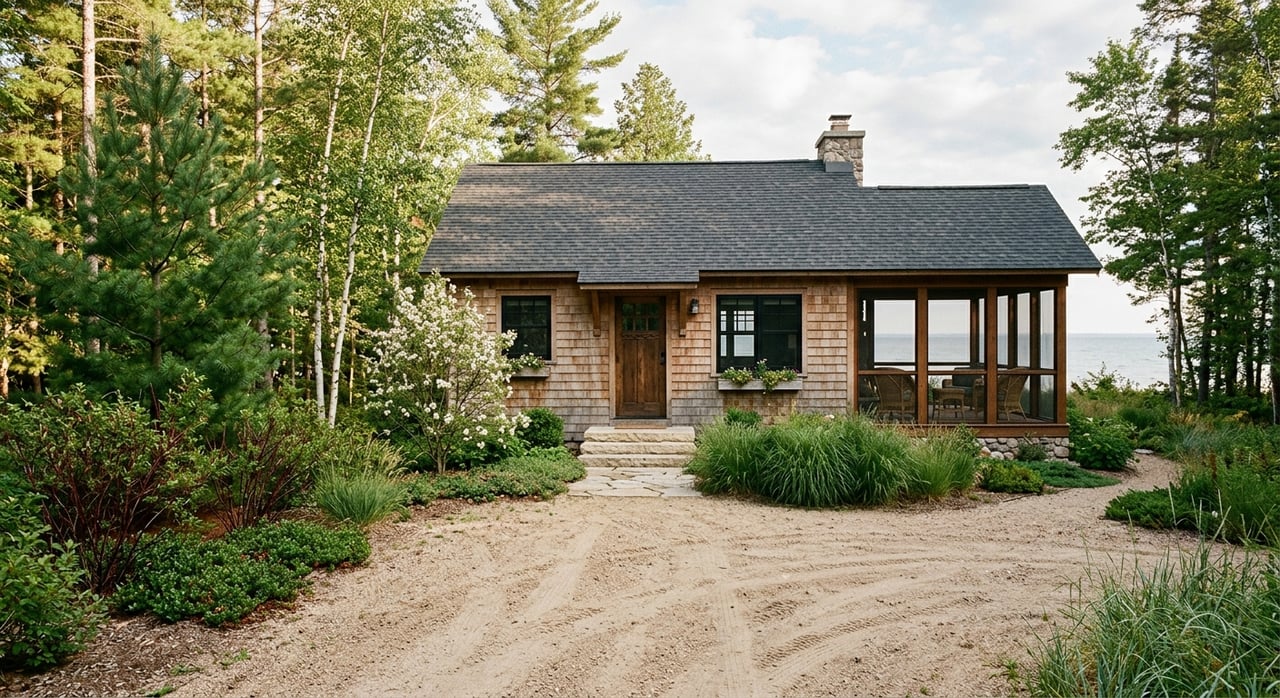
If your top priority is being close to the water, waterfront cottages and modest lake houses are the most obvious match. The area’s tourism focus on beaches, marinas, parks, and lake recreation supports the strong appeal of shoreline properties.
These homes often deliver the getaway feeling buyers want right away. The tradeoff is that you may need to think more carefully about shoreline conditions, maintenance exposure, and seasonal demand in those locations.
Small village homes
A small home in one of Huron County’s villages can be a smart second-home alternative. You may still be within reach of the water and recreation, but with a property that feels more like an everyday home than a purely seasonal cottage.
This option can work well if you want flexibility. Some buyers prefer a place that can serve as a weekend retreat now and possibly a more frequent residence later.
Rural homes with acreage
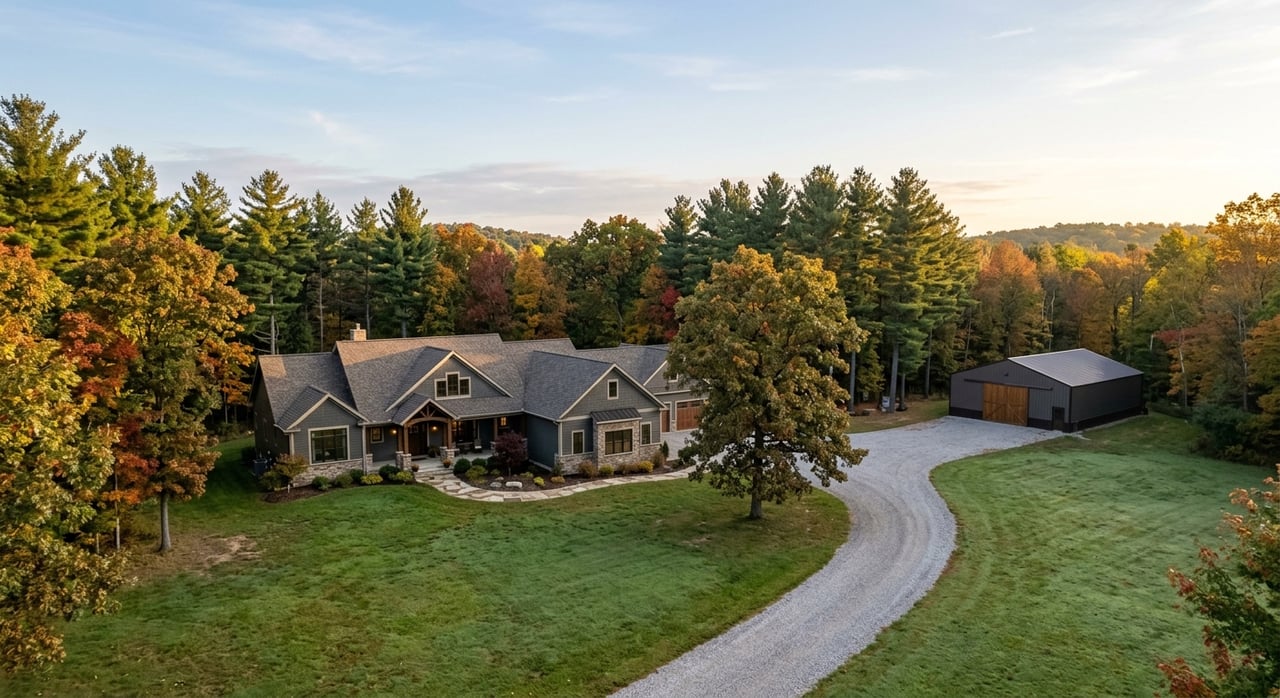
Because agriculture remains a major part of Huron County’s economy, the area also supports a meaningful supply of country-style homes and larger parcels. If you value privacy, outdoor space, and a slower pace, a rural property may fit your goals better than a compact shoreline cottage.
This type of property can be a good match if your idea of a second home is less about beach activity and more about space to unwind. It may also suit buyers who want storage, outbuildings, or room for future improvements, subject to local approvals.
Seasonal Use in Huron County
Summer is the busiest season
Summer is clearly the peak season in Huron County’s cottage market. Caseville is promoted as one of Michigan’s popular summer destinations for beach, boating, and fishing, while Port Austin is known for paddling, water trails, and shoreline recreation.
If you are shopping for a second home, it helps to understand that the ownership experience can feel very different in July than it does in October or February. Busy summer weekends can bring energy and activity, while off-peak times may offer a much quieter experience.
Shoulder seasons can add value
Huron County is not only a summer market. Port Austin’s area draws visitors for dark-sky viewing, and Port Crescent State Park is recognized for sandy shoreline, camping, and winter recreation opportunities.
That matters if you want more than a short seasonal window. Spring and fall can be appealing if you enjoy fewer crowds, cooler weather, and a slower pace while still making use of the property.
Some areas support year-round enjoyment
Caseville also notes winter events such as Shanty Days, and Port Austin highlights winter ice formations. That does not mean every property is equally easy to use in all seasons, but it does show that the county has year-round appeal beyond the summer rush.
As you compare homes, it is worth asking not just where you want to be in July, but how often you realistically plan to use the property throughout the year. That can shape which town, property type, and maintenance level make the most sense.
Key Due Diligence Before You Buy
Understand second-home tax differences
One of the biggest financial differences between a primary home and a second home in Michigan involves property taxes. Michigan’s Principal Residence Exemption applies only to your principal residence, defined as your one true fixed and permanent home.
A second home generally does not qualify for that exemption. Because the exemption can reduce local school operating millage by up to 18 mills, buyers should expect a different tax profile on a cottage or second home than they might see on a primary residence.
Check zoning and permit requirements
If you may want to remodel, add a garage, build an accessory structure, or adjust how the property is used over time, local approvals matter. Huron County’s Planning, Building & Zoning office handles permit requirements, site plan review, special approval permits, zoning variance and appeal applications, and zoning classification changes.
That makes pre-offer research especially important. A property that looks perfect today may not support your future plans without additional review or approval.
Review wells, septic, and beach conditions
For many cottages and rural homes, utility and site conditions are a big part of the decision. Huron County’s health department environmental health program is the local source for well-water and septic forms, and it also publishes BeachGuard water-sampling results and beach-closure information.
If you are considering a property near the shore or in a less urban setting, these are not small details. They can affect your ownership costs, how you use the home, and what kind of upkeep you should expect.
Look at shoreline erosion and flood risk
Shoreline property can be beautiful, but it also needs careful review. For Great Lakes shoreline parcels, Michigan EGLE advises owners to check whether a property is in a high-risk erosion area because shoreline conditions can change over time.
For flood questions, FEMA’s Flood Map Service Center is the official public source for flood-hazard information. If you are serious about a waterfront purchase, these checks should be part of your early due diligence, not a last-minute task.
Maintenance Planning for Part-Time Owners
Owning a second home means thinking ahead about the weeks or months when you are not there. Michigan winter-preparedness guidance recommends weather-stripping and insulating the home, insulating exposed pipes, knowing where shutoff valves are, and having a backup heat source.
In Huron County, that kind of planning matters because winter weather and shoreline exposure can add stress to a vacant property. A cottage that sits empty for stretches of time needs a maintenance plan that matches local conditions.
State guidance also suggests having a family member, friend, or neighbor check on a house during long absences. If you are buying from outside the area, this is one of the simplest ways to protect your investment and reduce surprises.
How to Narrow Your Search
Before you buy, it helps to be honest about how you will actually use the property. A waterfront cottage may fit your vision if you want beach days and boating front and center. A village home may be the better option if you want easier year-round use. A rural home may make more sense if privacy and land are your top priorities.
A few questions can help guide your search:
- How often will you use the home in summer versus winter?
- Do you want direct water access or just reasonable access to shoreline attractions?
- Are you comfortable with the upkeep that can come with shoreline exposure?
- Might you want to add structures or renovate later?
- Do you want a property that feels seasonal, practical, or somewhere in between?
The clearer you are on those answers, the easier it becomes to focus on the right part of Huron County.
If you are exploring cottage and second-home options in Huron County, working with an experienced local-minded advisor can help you compare property types, think through due diligence, and make a confident decision. When you are ready to talk through your goals, connect with Mike Deising for practical guidance backed by years of Michigan real estate experience.
FAQs
What makes Huron County attractive for a second home?
- Huron County offers 93 miles of shoreline, well-known lake communities like Caseville and Port Austin, and inland village and rural options that appeal to different types of getaway buyers.
What are the most popular Huron County areas for cottages?
- Caseville and Port Austin are the best-known cottage and retreat areas, with strong appeal for beach access, boating, paddling, fishing, and shoreline scenery.
Are inland Huron County homes a good second-home option?
- Yes. Villages such as Bad Axe, Harbor Beach, Pigeon, Sebewaing, and Ubly can offer more practical year-round options for buyers who want less seasonal use.
Do second homes in Michigan qualify for the Principal Residence Exemption?
- Generally no. Michigan’s Principal Residence Exemption applies only to your principal residence, so a second home usually has a different property-tax profile.
What should buyers check before purchasing a waterfront cottage in Huron County?
- Buyers should review zoning and permit needs, well and septic details when applicable, beach and water conditions, shoreline erosion risk, and flood-hazard information.
Is Huron County only a summer destination for second-home owners?
- No. Summer is the peak season, but the area also offers shoulder-season appeal, dark-sky viewing, winter scenery, and some year-round recreation opportunities.