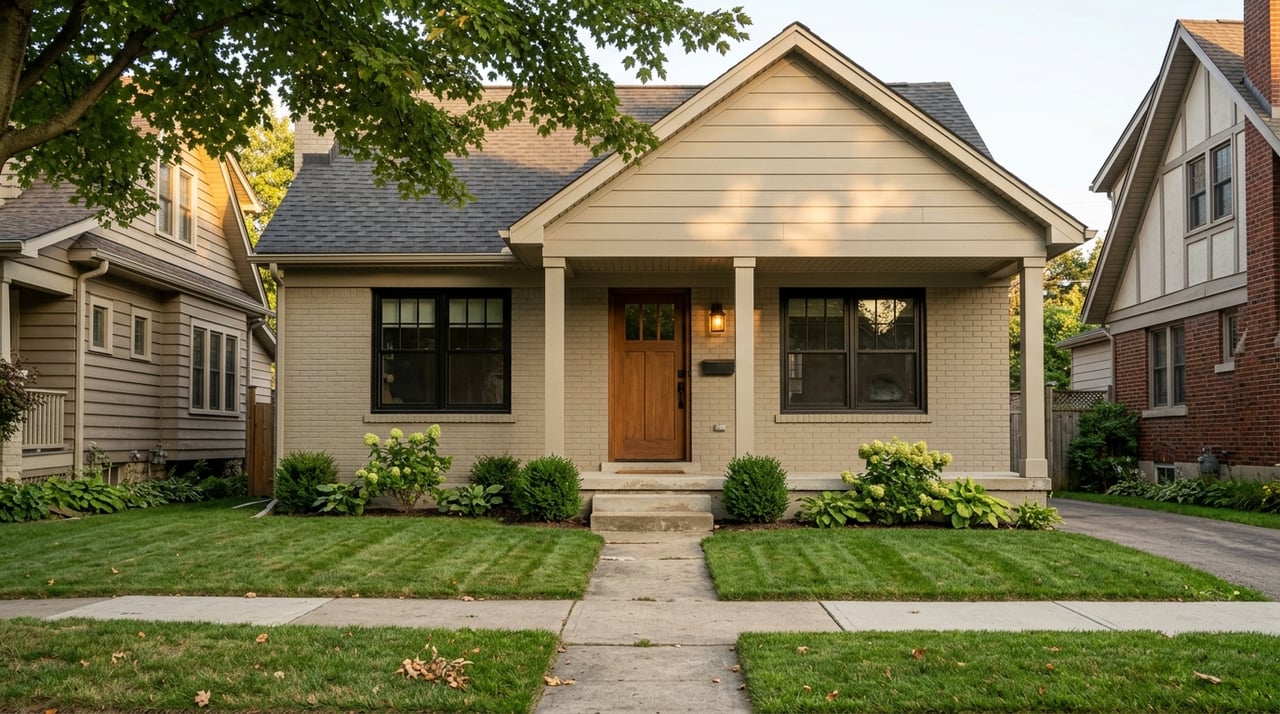
Wondering whether riverfront living in St. Clair is worth the premium, or if an in-town home gives you more of what you actually need day to day? If you are weighing lifestyle, budget, upkeep, and location, you are asking the right questions. In a small river community like St. Clair, the choice is not just about price. It is about how you want to live, what you want to maintain, and what kind of value feels right for you. Let’s dive in.
Why this choice matters in St. Clair
St. Clair offers a very specific kind of lifestyle. The city sits on the western bank of the St. Clair River and has about 5,500 residents, along with a downtown area, boat harbor, library, historical museum, and seven parks.
That smaller scale is part of the appeal. You get a community with river views, walkable public spaces, and everyday conveniences, but the housing experience can look very different depending on whether you buy on the water or closer to town.
St. Clair market at a glance
Recent market data shows St. Clair as a seller’s market. Redfin’s March 2026 snapshot reported a median sale price of $276,250 and a median of 20 days on market.
That citywide median only tells part of the story, though. Riverfront homes and in-town homes often sit in very different price ranges, which makes the decision especially important for buyers trying to balance lifestyle and long-term costs.
Riverfront prices vs in-town prices
If you look at recent examples, riverfront properties in St. Clair usually command a much higher price. Recent riverfront examples include a home that sold for $765,000, another pending at $799,000, one listed at $869,900, and a Zestimate around $1.27 million on another property.
In-town examples are much lower by comparison. Recent listings and sales include homes around $195,000, $225,000, $239,900, $315,000, and $330,000.
That spread shows the core question clearly. Are you paying for access to the river as part of your everyday lifestyle, or would you rather stay closer to the city median and keep more room in your budget for updates, savings, or other priorities?
What riverfront living offers
Riverfront living in St. Clair is about more than having water nearby. It is a lifestyle choice built around views, boating, outdoor space, and daily connection to the river.
The city’s master plan describes water-adjacent areas as places to stroll and watch Great Lakes freighters. The city also notes that Palmer Park’s riverwalk became a major part of downtown redevelopment, which helps explain why riverfront property carries such strong appeal.
Daily views and water access
Many buyers choose riverfront homes because they want the river to be part of everyday life. Some local listings highlight features like private docks, wrap-around porches, and steps-from-the-river convenience.
If you enjoy boating, entertaining outside, or simply waking up to an open water view, those features can be hard to replicate anywhere else in town. For some buyers, that is the reason to stretch the budget.
A boating-friendly setting
St. Clair supports a water-focused lifestyle with an active boat harbor and a marina operated through the harbor commission. The city also notes that the Pine River bridge opens on the hour and half-hour as needed for boats.
That kind of infrastructure matters. It makes riverfront living feel practical, not just scenic.
A luxury lifestyle premium
In St. Clair, riverfront homes often function as a luxury segment within the local market. Even when the rest of the city remains relatively accessible, waterfront homes can sit far above the median sale price.
That premium may make sense for you if views, private water access, and outdoor entertaining are top priorities. It may not if you are more focused on convenience, lower monthly carrying costs, or simpler upkeep.
What to consider before buying riverfront
The biggest riverfront trade-off is that the lifestyle premium usually comes with added responsibility. Before you fall in love with the view, make sure you understand the property’s ongoing maintenance and insurance needs.
Flood zones and insurance
If a parcel is in a FEMA Special Flood Hazard Area, flood insurance is generally required for federally backed loans. Buyers should check the specific parcel’s flood zone rather than assume a waterfront property only means better scenery.
Michigan EGLE also says that alterations in the 100-year floodplain can require permits. That matters if you are thinking about future improvements or shoreline work.
Shoreline upkeep and dock costs
Riverfront ownership can include expenses that in-town buyers may never face. Depending on the property, you may need to maintain a dock, seawall, drainage systems, or a boat lift.
Local listing examples show how these features can add value, but they also add upkeep. One riverfront home advertises a private dock, while another highlights a dock and an 11,000-pound boat hoist.
Condo alternatives on the water
Not every riverfront option in St. Clair is a large estate-style property. Waterfront condos can offer a lower purchase price while shifting more of the maintenance burden into a shared structure.
That can work well if you want water access without handling every exterior task yourself. Still, monthly HOA fees can be part of the equation, with examples in the local waterfront condo market including fees such as $439 and $538.
What in-town living offers
If riverfront living is about direct water access, in-town living is usually about convenience. For many buyers, that trade-off feels practical and appealing.
St. Clair’s downtown includes boutiques, cafes, and pubs. The city’s master plan also points to 210 acres of park land, four community parks, a multi-use path, a community center, an outdoor pool, a municipal golf course, and a boat harbor.
Easier access to daily amenities
Recent downtown-area listings emphasize proximity to shops, restaurants, parks, and the waterfront boardwalk. That kind of location can make everyday life feel simpler, especially if you value being able to get out and enjoy the city without planning around boat upkeep or waterfront maintenance.
For some buyers, being close to downtown is the lifestyle feature. You still get the charm of St. Clair’s river setting, but you experience it more as a nearby amenity than a property obligation.
Lower entry prices
One of the clearest benefits of in-town living is affordability relative to the riverfront segment. Current examples show in-town homes starting around the mid-$100,000s to mid-$200,000s, with larger or more updated options reaching into the low $300,000s.
That lower entry point can open more options. You may be able to buy sooner, reserve money for renovations, or purchase a home with less financial stretch.
A more typical maintenance profile
Based on recent listing examples, in-town homes often center on standard house-system updates like windows, roofs, boilers, hot water tanks, kitchens, porches, and fenced yards. That suggests a maintenance profile that is usually more familiar to buyers of traditional single-family homes.
In other words, you may still have home maintenance, but it is often less likely to involve shoreline concerns, docks, or flood-related questions.
How to decide what fits you best
The best choice depends on how you want your home to function in daily life. In St. Clair, this decision is often less about whether the town is small or large and more about whether you want the river to be a daily asset or a daily maintenance consideration.
If you are torn, it helps to step back and think in terms of lifestyle first and budget second. Price matters, but the way you use the property matters just as much.
Riverfront may fit you if:
- You want water views to be part of your everyday routine
- You value boating or direct dock access
- You plan to entertain outdoors often
- You are comfortable budgeting for possible flood insurance and shoreline upkeep
- You see the higher price point as worth the lifestyle premium
In-town may fit you if:
- You want a lower entry price
- You prefer being close to downtown amenities and parks
- You want simpler maintenance overall
- You like the river community feel without owning shoreline directly
- You want more flexibility in your budget for updates or future plans
Questions to ask before making an offer
No matter which side of St. Clair living appeals to you, asking the right questions early can save you time and stress.
Use this checklist as you compare homes:
- Is the parcel in a FEMA flood zone?
- If so, will the lender require flood insurance?
- Is there an HOA, and what does it cover?
- Who maintains the dock, seawall, or shared shoreline?
- How far is the home from downtown, the boardwalk, parks, and city services?
Those details can shape your monthly costs and your long-term satisfaction just as much as the listing price.
The bottom line on St. Clair living
There is no one-size-fits-all answer in St. Clair. Riverfront homes can deliver exceptional views, boating access, and a luxury lifestyle that stands out in the local market. In-town homes often offer a more accessible price point, easier walkability, and a simpler ownership experience.
The right move comes down to your priorities. If you want help comparing riverfront and in-town options in St. Clair, Mike Deising can help you sort through the trade-offs, understand local pricing, and find the home that fits the way you want to live.
FAQs
What is the price difference between riverfront and in-town homes in St. Clair?
- Recent examples show riverfront homes in St. Clair often ranging from about $765,000 to over $1 million, while many in-town homes fall roughly between $195,000 and the low $300,000s.
What are the main benefits of riverfront living in St. Clair?
- Riverfront living in St. Clair can offer direct water views, boating access, private docks, outdoor entertaining appeal, and a stronger luxury lifestyle component.
What are the main benefits of in-town living in St. Clair?
- In-town living in St. Clair often offers lower purchase prices, easier access to downtown shops and restaurants, proximity to parks and the boardwalk, and a more typical home maintenance profile.
Do St. Clair riverfront homes require flood insurance?
- Some St. Clair riverfront homes may require flood insurance if the parcel is in a FEMA Special Flood Hazard Area and the loan is federally backed, so buyers should verify the specific property.
Are there waterfront condo options in St. Clair?
- Yes, St. Clair has waterfront condo options that may offer a lower purchase price than detached riverfront homes, though monthly HOA fees and shared-maintenance rules should be reviewed carefully.
How do you choose between riverfront and in-town living in St. Clair?
- The best choice depends on whether you want the river to be part of your daily property use and upkeep, or whether you prefer a lower-cost, more convenience-focused in-town lifestyle.